
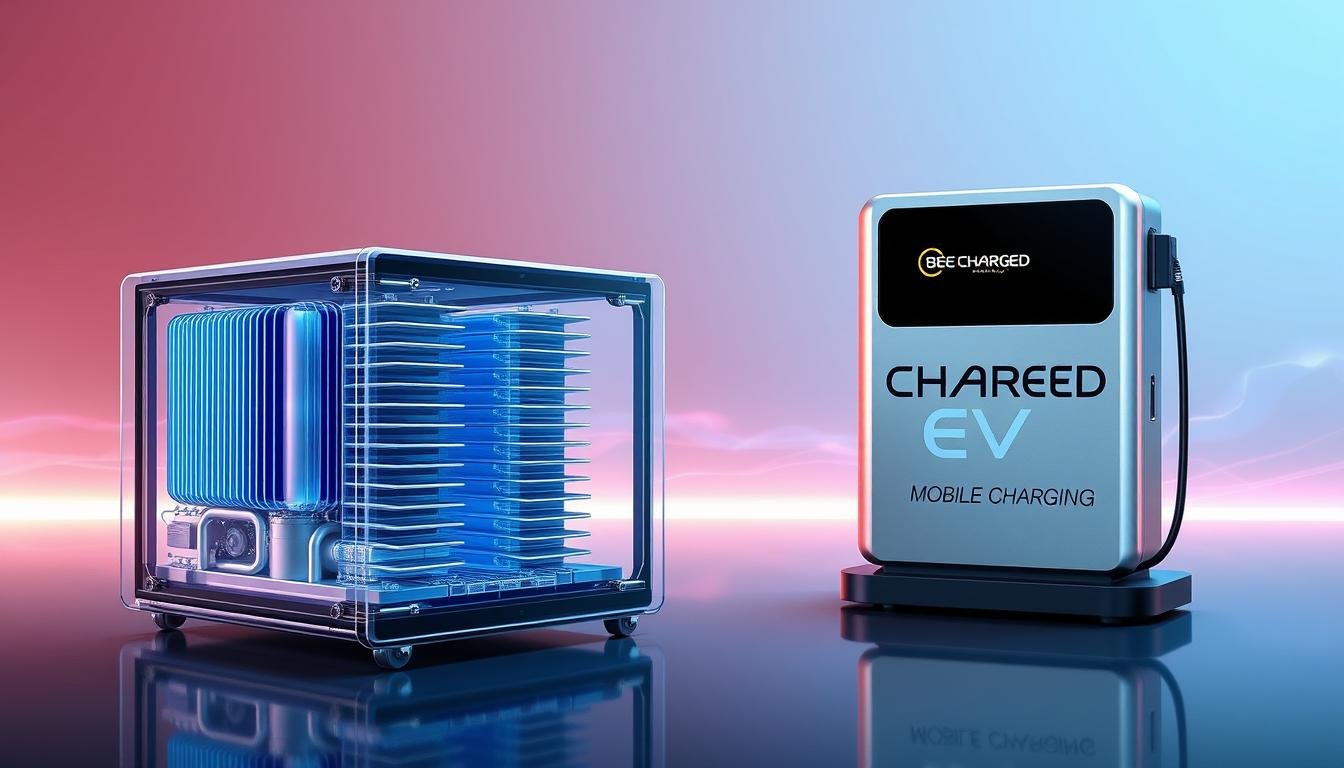
Proper temperature control stands as the cornerstone of modern electric vehicle operations. Lithium-ion batteries demand precise thermal conditions to deliver optimal performance and ensure long-term reliability. When temperatures stray outside the ideal 15°C to 40°C range (59°F to 104°F), significant challenges emerge.
Extreme heat accelerates battery aging up to 14 times faster than normal conditions. Cold weather below -10°C can reduce capacity to approximately 70%. These temperature extremes present unique obstacles for mobile charging applications where environmental conditions constantly change.
Effective thermal management systems prevent dangerous scenarios like thermal runaway. This uncontrolled heat generation can lead to fires or explosions. Battery Management Systems (BMS) monitor cell temperatures in real-time, activating cooling or heating mechanisms as needed.
We understand that proper temperature control extends battery lifespan dramatically. In fleet applications, this can mean the difference between a battery lasting 3 years versus a full decade of service. Our expertise covers the complete spectrum of thermal management strategies.
Key Takeaways
- Lithium batteries require temperatures between 15°C and 40°C for optimal performance
- Extreme heat can accelerate battery aging up to 14 times faster
- Cold conditions below -10°C reduce battery capacity to approximately 70%
- Thermal management systems prevent dangerous thermal runaway scenarios
- Proper temperature control significantly extends battery lifespan
- Battery Management Systems monitor and regulate temperatures in real-time
- Mobile charging environments present unique thermal challenges
Introduction to Battery Conditioning and Thermal Management in Mobile Charging
At the molecular level, lithium-ion batteries function through delicate chemical exchanges that temperature directly influences. These power sources operate on lithium ions moving between anode and cathode during charge cycles. This movement generates heat that requires careful management.
Battery aging occurs through multiple chemical processes. Solid electrolyte interphase growth, electrolyte decomposition, and active lithium loss accelerate at elevated temperatures. Understanding these mechanisms helps predict battery lifespan.
Understanding Lithium-Ion Battery Performance and Aging
Battery performance depends on how voltage, temperature, and current interact during charging. Each session either preserves or degrades battery health. Capacity loss follows non-linear patterns.
Batteries may show minimal degradation initially. Then accelerated decline occurs as internal resistance increases. This understanding helps fleet managers make informed decisions.
The Role of Temperature in Battery Health and Efficiency
Specific temperature thresholds critically impact lithium-ion cells. Charging below 0°C risks lithium plating and permanent damage. Above 45°C accelerates chemical degradation.
The optimal range of 15-40°C maintains peak performance and longevity. Modern Battery Management Systems monitor temperatures in real-time. They learn user patterns to minimize stress on battery cells.
We design our mobile charging solutions around these thermal principles. Proper temperature control ensures your fleet vehicles maintain 80% capacity for 8-10 years. This directly impacts operational costs and service reliability.
How Do You Handle Battery Conditioning and Thermal Management During Mobile Charging?
Distributed temperature sensors work in concert with intelligent control systems to safeguard battery health. These components form the backbone of reliable mobile charging operations.
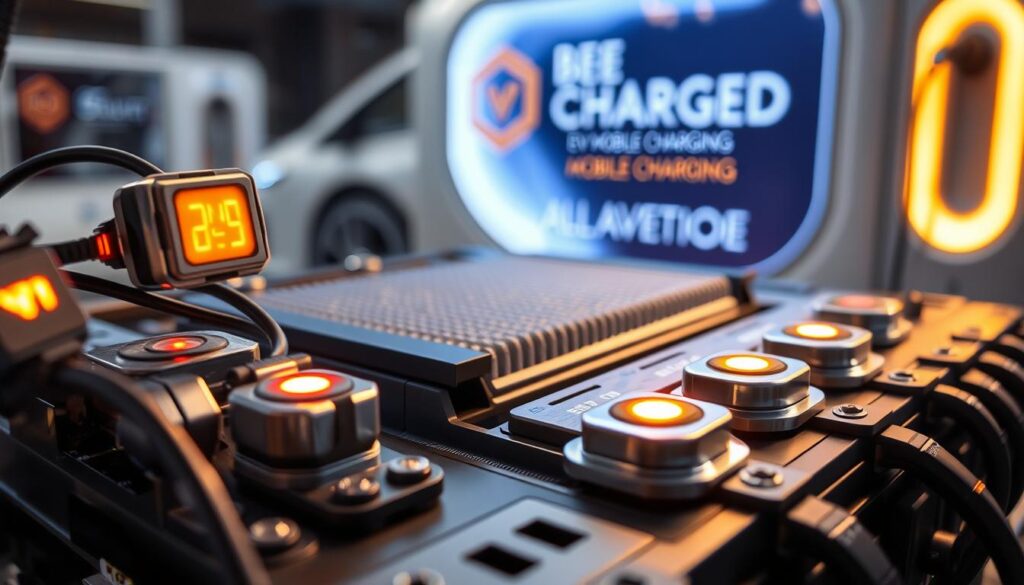
Integrating Temperature Sensors and Battery Management Systems
Strategic sensor placement throughout the battery pack provides comprehensive thermal mapping. Multiple measurement points identify hot spots before they become dangerous.
Battery Management Systems process data from dozens of sensors simultaneously. They make real-time decisions to balance charging power with thermal limits.
The integration architecture ensures rapid response. Temperature sensors feed data to the BMS microcontroller, which evaluates conditions against safety parameters.
Balancing Charge Cycles and Preventing Thermal Runaway
Charge cycle balancing prevents individual cells from overcharging. Since cells in a pack never have identical capacity, the system ensures weaker cells don’t overheat.
Thermal runaway prevention includes current limiting when temperatures approach 45°C. Charge termination occurs at 50°C, with emergency disconnect protocols activating at 60°C.
Mobile charging environments complicate thermal management because ambient conditions constantly change. Our predictive algorithms learn battery behavior patterns to anticipate temperature rises.
Proper BMS integration ensures your fleet vehicles operate safely under all conditions. This foundation protects your investment and maintains service reliability.
Best Practices for Thermal Management in Lithium-Ion Batteries
The economic viability of electric fleets hinges directly on implementing robust thermal management strategies. Proper temperature control isn’t just about preventing failures—it’s about maximizing return on investment. Batteries operating within ideal ranges can deliver twice the cycle life compared to those regularly exposed to temperature extremes.
Maintaining Optimal Temperature Ranges for Safety and Performance
Establishing critical temperature parameters forms the foundation of effective thermal management systems. The ideal operating range for lithium batteries remains 15°C to 40°C (59°F to 104°F). For peak performance and longevity, targeting 20-30°C proves most effective.
Storage conditions require equal attention, with 15-25°C minimizing self-discharge and degradation. Maintaining these temperatures ensures consistent capacity and extends overall battery lifespan significantly. Proper temperature management prevents permanent damage from extremes.
Implementing Effective Cooling and Heating Strategies
Passive cooling techniques provide reliable heat dissipation without external power. These include thermal interface materials between cells and chassis-integrated heat sinks. For moderate-duty applications, these systems offer simplicity and reliability.
Active cooling implementations suit high-power mobile charging scenarios. Liquid cooling delivers superior temperature uniformity and lower peak temperatures. This approach provides better heat dissipation for demanding operating conditions.
Heating strategies become crucial in cold-weather operation. Resistive elements and heat pump systems efficiently warm cells before charging begins. This proactive approach maintains safety and performance across diverse environments.
We design our solutions around comprehensive thermal management principles. Effective heat dissipation pathways and ventilation requirements receive careful consideration. This system-level thinking ensures your fleet operates safely while maximizing battery lifespan.
Mobile EV Charging Solutions and Emergency Resources
Reliable mobile EV charging extends beyond basic power delivery to encompass emergency response and fleet management services. We provide comprehensive solutions that integrate advanced thermal principles with practical charging applications.
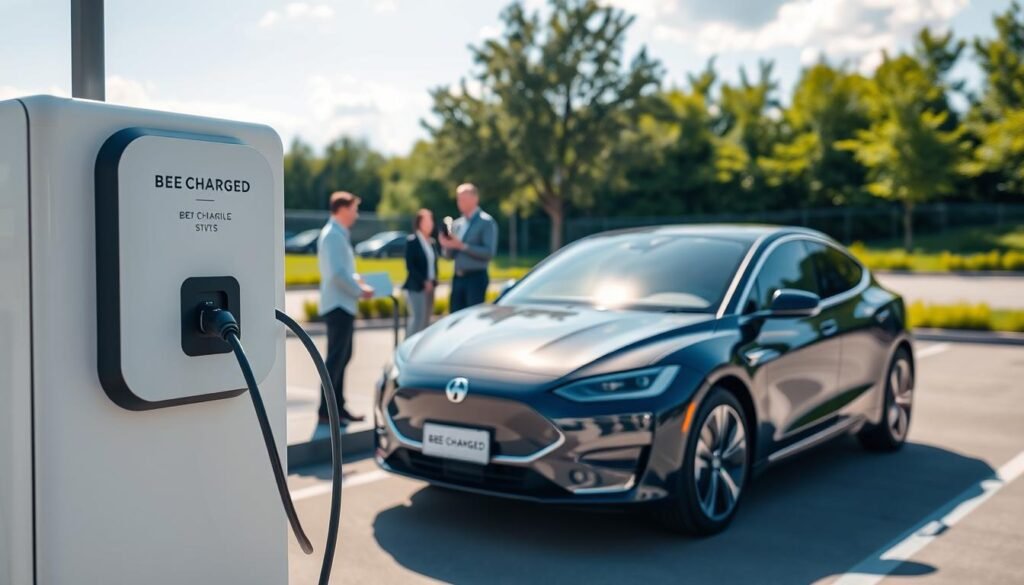
Exploring BeeChargeDev Mobile Charging and EV Roadside Assistance
Our 24/7 emergency roadside assistance (888-675-9555) delivers temperature-controlled charging regardless of weather conditions. Each mobile unit features sophisticated battery management systems that protect lithium cells during critical charging sessions.
BeeChargeDev Membership programs offer elite access to premium charging features. These services prioritize response time and battery health optimization. Explore benefits at our membership page.
Fleet Services, Towing Options, and Commercial Charging Solutions
Fleet programs include scheduled mobile charging and comprehensive battery health monitoring. Our systems extend battery lifespan while reducing total ownership costs. Discover fleet solutions at our fleet services page.
Integrated towing options safely transport EVs when on-site charging isn’t feasible. Mobile infrastructure solutions bring enterprise-grade capacity directly to your location. These systems adapt power delivery based on real-time battery conditions.
Commercial Level 3 charging solutions power businesses nationwide with high-speed DC fast charging. All services incorporate the thermal management principles outlined in this guide. Call 888-675-9555 to discuss your specific mobile charging needs.
Conclusion
Proactive thermal oversight separates temporary battery solutions from decade-long performance commitments in mobile charging environments. Effective temperature regulation directly determines safety, operational reliability, and total cost of ownership.
Vigilant monitoring prevents thermal runaway by tracking individual cell conditions. Quality management systems respond instantly to temperature extremes before dangerous scenarios develop. This protection extends battery lifespan significantly.
Maintaining the 15-40°C optimal range isn’t optional—it’s essential for long-term health. Implement comprehensive strategies including proper ventilation and appropriate cooling systems. Regular health checks through device settings help monitor capacity retention.
Lithium chemistry tolerates no thermal abuse. Damage from extremes causes irreversible capacity loss and accelerated aging. While built-in protections exist, they work best with proper operational practices.
Whether managing one vehicle or an entire fleet, prioritize temperature management in every charging decision. BeeChargeDev incorporates advanced thermal principles into all mobile charging solutions. Contact us at 888-675-9555 to optimize your specific applications.
FAQ
Why is thermal management so critical for lithium-ion batteries during mobile charging?
Effective thermal management is essential because it directly impacts safety, power output, and battery lifespan. Lithium-ion cells operate best within a specific temperature window. Charging in extreme heat can accelerate degradation and increase the risk of thermal runaway, while cold temperatures drastically reduce performance and charging speed. Our systems actively manage these conditions to maintain optimal health.
What specific features do your mobile charging units have to protect battery health?
Our mobile EV charging solutions are equipped with advanced battery management systems (BMS) and integrated temperature sensors. These components work together to monitor individual cell conditions in real-time. The system can adjust charge rates, activate cooling systems, or pause charging to prevent damage and ensure safe, efficient power delivery every time.
How does your service prevent thermal runaway in a damaged or overheating battery pack?
A> Safety is our top priority. Our battery systems are designed with multiple safeguards. The BMS continuously monitors for anomalies. If unsafe temperatures are detected, the system can automatically shut down charging. For emergency roadside assistance, our protocols prioritize isolating the energy source to mitigate risks, ensuring the safety of both the vehicle and our technicians.
Can your mobile charging services help maintain my EV fleet’s battery capacity over time?
A> Absolutely. For fleet managers, consistent battery health is crucial for total cost of ownership. Our charging strategies and thermal management practices are designed to minimize capacity loss. By avoiding temperature extremes and managing charge cycles properly, we help extend the overall lifespan of your fleet’s battery packs, protecting your investment.
What should I do if my EV’s battery warning light comes on during or after a mobile charge?
A> If any warning indicator activates, the first step is to safely park the vehicle and turn it off. Contact our support team or roadside assistance immediately. Do not attempt to continue driving or charging. Our technicians can remotely assess data from the charging session and dispatch help to diagnose the issue, which could relate to the battery’s thermal state or other factors.