Fast, on-demand roadside electric vehicle charging brought straight to your vehicle. Whether stuck on the highway or parked at home, our technicians deliver immediate battery boosts 24 hours a day.
★★★★★ 5.0 Rated
Zero Towing NeededAverage ETA: Under 45 Mins
The car world is changing fast, moving from gas to electric cars. Our Free EV Fleet Route Charge Risk Assessment helps business owners and fleet managers. It gives them key insights to make their mobile EV charging better.
This service helps cut down on downtime and makes charging more efficient. It’s vital for a successful electric fleet. With more electric cars on the road, knowing about charging risks and setting up the right infrastructure is key for green operations.
Key Takeaways
Understand the importance of assessing risks in EV fleets.
Gain insights to optimize mobile EV charging solutions.
Access a free assessment to improve fleet operations.
Enhance safety with reliable charging infrastructure planning.
Transitioning from ICEV to EV strategies is essential for sustainability.
Understanding EV Fleet Charge Risks
Electric vehicles (EVs) have changed how we move, bringing new challenges and chances for fleet management. It’s key for fleet operators to know these risks to keep things safe and running smoothly. A safety check on electric vehicles helps spot and fix potential dangers.
Most risks are like those of traditional cars, but there are some big differences. Fleet managers need to handle these differences well.
Overview of Electric Vehicle Risks
Looking into EV risks, we see many are about high-voltage systems. This means drivers and maintenance need special training. There are also worries about battery wear and charging problems.
Knowing about these issues helps make EV fleets safer.
Comparison Between ICEV and EV Risks
Comparing ICEVs and EVs shows both similarities and differences in risks. ICEVs face dangers from fuel and mechanical issues. EVs have risks from their electric systems.
Studies show EVs might not be more fire-prone than ICEVs. Keeping a close eye and doing safety checks helps protect both types of fleets. This ensures they last longer and work better.
The Importance of Risk Assessment for EV Fleets
As electric vehicles become more common, managing EV fleets is crucial. It’s vital to do a thorough EV fleet risk assessment. This helps spot issues with battery performance, charging, and getting ready to operate.
Why Risk Assessments are Critical
It’s key to know the risks of electric vehicles. Risk checks help focus on safety and efficiency. They guide decisions on maintenance, changes, and driving habits. This way, companies can avoid problems with old tech or bad infrastructure.
Benefits of Conducting an EV Fleet Risk Assessment
Doing a good risk assessment brings many benefits. It makes operations smoother. Here are some main advantages:
Identifies weak spots in the fleet.
Makes vehicles more reliable.
Keeps up with laws and standards.
Improves planning and use of resources.
Reduces risks and makes EVs more beneficial.
Benefit
Description
Vulnerability Identification
Shows where to improve.
Improved Reliability
Reduces breakdowns.
Regulatory Compliance
Follows laws and standards.
Resource Allocation
Manages budgets and schedules better.
Operational Efficiency
Improves fleet performance by balancing risks and benefits.
Factors Influencing Charge Risk Assessment
Understanding what affects charge risk is key for managing EV batteries well. We look at the battery’s age and how full it is. Things like temperature and the quality of charging spots also play a big part. It’s important to check if EV charging systems have fire safety features too.
Vehicle Battery Age and State of Charge
The age of a battery is very important when checking charge risk. Older batteries are more likely to get damaged and could cause fires. Keeping an eye on how full the battery is helps us know when it’s getting too hot.
Having a good system to manage batteries helps avoid these problems. This way, batteries stay safe and don’t get too hot.
Environmental Influences on Charging Infrastructure
Weather can really affect how EVs charge. Too hot or too cold can make batteries work less well. Knowing how weather affects EVs helps us plan better charging spots.
Checking if charging spots can handle different weather conditions is also important. This makes charging safer and more reliable.
Fire Safety in EV Charging Systems
Keeping EV charging safe from fires is very important. We need to make sure our safety plans cover all the risks. This includes using systems to watch for too much heat and making sure there’s good air flow.
Regular checks can find any weak spots. This helps make sure EVs are safe and reduces the chance of fires.
Factor
Influence on Charge Risk
Management Strategies
Vehicle Battery Age
Higher risk of thermal runaway
Regular inspections, timely replacements
State of Charge
Increased risk when close to capacity
Controlled charging cycles
Environmental Factors
Extreme temperatures affect performance
Adaptive charging solutions, climate control
Fire Safety Protocols
Prevention of potential fire hazards
Thermal monitoring, regular audits
Free EV Fleet Route Charge Risk Assessment
Getting started with the Free EV Fleet Route Charge Risk Assessment is easy. Companies looking to improve their charging can follow a few simple steps. This will give them valuable insights into their fleet operations.
How to Access the Free Assessment
First, visit our website and fill out the registration form. This makes sure you get secure and personalized access to the tools. After you’re done, you’ll get a confirmation and can start checking your current charging setup and infrastructure.
What to Expect from the Assessment Process
In the assessment, you’ll get a detailed look at your charging spots and how well they work. You’ll find out:
How your current charging works
Ways to make charging safer
How to charge more efficiently
Ways to improve your fleet’s overall performance
This detailed review helps meet your fleet’s needs now and supports your long-term goals.
Utilizing Data-Driven Insights for Fleet Electrification
Using data is key in moving towards electric fleets. Companies can now use real data to make better choices about electric vehicles. By looking at how EVs perform, they can pick the right ones for their needs.
Real-World Data on EV Performance
Getting and checking EV performance data helps understand how electric cars work. It shows how efficient they are, how far they can go, and if they fit the job. Important things to look at include:
Energy use rates
Charging times
Maintenance needs
How long parts last
Building a Business Case for Electrification
Creating a strong case for electric fleets is essential. It needs data on how it can save money, cut emissions, and improve operations. Key points to focus on are:
Current costs for fuel and upkeep
Expected savings with electric vehicles
Less pollution from using electric
Government help or discounts
Emergency Charging Solutions for Fleets
In today’s fast world, reliable emergency charging for fleets is key. Unexpected downtime can really mess up operations. So, fleet managers need to know their options.
This includes portable chargers for quick help and on-demand mobile EV charging for urgent needs.
Understanding Emergency EV Charging Options
Emergency EV charging solutions quickly fix voltage drops or dead batteries. They’re made to keep operations running smoothly. Fleet operators can use these to keep their services reliable.
Battery issues can pop up at the worst times. Knowing about emergency charging is crucial for fleet management.
On-Demand and Portable EV Charging Services
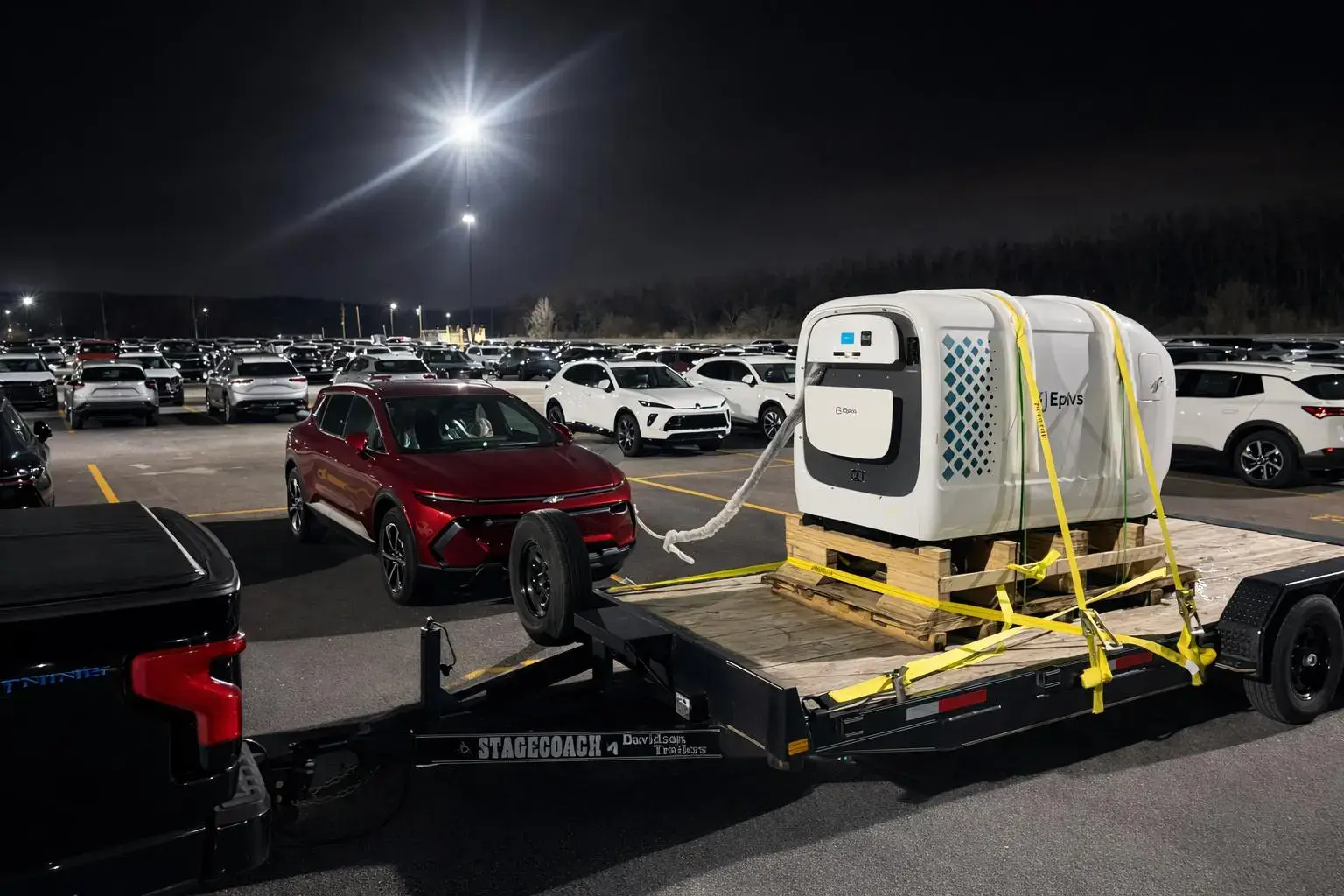
On-demand mobile EV charging helps during sudden power cuts. Many offer vehicles with portable chargers for fast help. They go right to the vehicle’s spot.
This approach helps fleet managers handle charging emergencies well. The benefits are:
Quick charging access, cutting downtime.
Custom service delivery, fitting fleet needs.
Less need for fixed charging stations, making operations more flexible.
Future of EV Charging Infrastructure
The world of EV charging is changing fast, full of chances for growth. It’s clear that how we charge electric vehicles is key to better fleet performance and green living.
Trends in Fleet EV Charging Solutions
More electric cars are hitting the roads, and fleet charging is getting smarter. Fleets are now eyeing:
Smart charging systems to save energy and cut costs.
Charging as a service (CaaS) to handle charging duties for them.
Rapid charging stations to keep vehicles moving without pause.
Integration with renewable energy sources to help the planet.
Integrating Charging Technology for Enhanced Safety
Adding new tech to charging systems is vital for keeping fleets safe. Important steps include:
Real-time monitoring to keep an eye on battery health and charging.
Enhanced emergency response plans at charging spots.
Regulatory compliance with safety rules.
Advanced safety barriers and failsafes to avoid electrical dangers.
By focusing on new fleet charging options and tech, we’re making electric cars safer and more efficient. Companies can move forward with confidence, ready for the electric future.
Conclusion
Using a Free EV Fleet Route Charge Risk Assessment has big benefits. It gives fleet managers key insights to improve EV fleets. It shows current challenges and offers ways to make safety and efficiency better.
The move to electric vehicles is speeding up. Knowing and dealing with new charging risks is key. This assessment shows the importance of staying ahead and tackling hazards. It helps in making a sustainable and effective management plan.
Fleet operators can make better choices by understanding these assessments. Using the findings helps manage electric vehicles well. It’s crucial for a fleet’s long-term success in the transport sector.
FAQ
What is the Free EV Fleet Route Charge Risk Assessment?
The Free EV Fleet Route Charge Risk Assessment is a service for businesses and fleet managers. It helps them understand the risks of electric vehicles (EVs) and what they need for charging.
How does the assessment address the unique risks of EVs compared to traditional vehicles?
It looks at the special challenges EVs face, like their high-voltage systems and safety needs. It offers ways to reduce these risks, making EVs safer and more efficient.
What benefits can I expect from conducting an EV fleet risk assessment?
An EV fleet risk assessment can spot weaknesses, make your fleet more reliable, and follow rules better. It also helps use mobile EV charging to keep your fleet ready to go.
What factors are considered in the charging risk assessment?
The assessment looks at battery age, charge level, environmental effects, and charging system strength. These factors are key to understanding the risks of an EV fleet.
How can I access the Free EV Fleet Route Charge Risk Assessment?
You can get the Free Assessment by visiting our website and signing up. It checks your current fleet and charging spots.
What can I expect during the assessment process?
The process will deeply check your current practices and charging setup. You’ll get specific advice on how to improve safety and speed up charging.
Why are emergency charging solutions important for fleets?
Emergency charging keeps your fleet running when you least expect it. It lets fleet managers quickly solve any problems that come up.
What are some options for emergency EV charging?
For emergency EV charging, you can use mobile EV charging services or portable chargers. These can quickly get your fleet back on the road during emergencies.
What trends are shaping the future of EV charging infrastructure?
New charging tech like charging as a service (CaaS) and better infrastructure are making EV charging safer, more efficient, and greener for fleets.