Fast, on-demand roadside electric vehicle charging brought straight to your vehicle. Whether stuck on the highway or parked at home, our technicians deliver immediate battery boosts 24 hours a day.
★★★★★ 5.0 Rated
Zero Towing NeededAverage ETA: Under 45 Mins
EV fleet charging is the process of supplying electricity to a group of electric vehicles operated by one business or organization. A single driver charges one car when convenient. A fleet charges 20, 50, or 500 electric vehicles on a schedule that routes, shifts, and delivery windows dictate.
That difference in scale changes everything. Charging stops being a personal habit and becomes an operation with its own power requirements, costs, software, and failure modes.
What Does EV Fleet Charging Mean for a Commercial Operation?
EV fleet charging means treating electricity as a scheduled operational resource. Commercial EV fleet charging occupies hours rather than minutes, consumes time the fleet would otherwise spend working, and requires an operator to decide in advance which electric vehicle charges, at what kilowatt output, in what order, and against which departure time.
A commercial EV fleet charging setup has four parts:
The energy source. Grid supplied power through installed chargers, or off grid battery power delivered by mobile EV charging units.
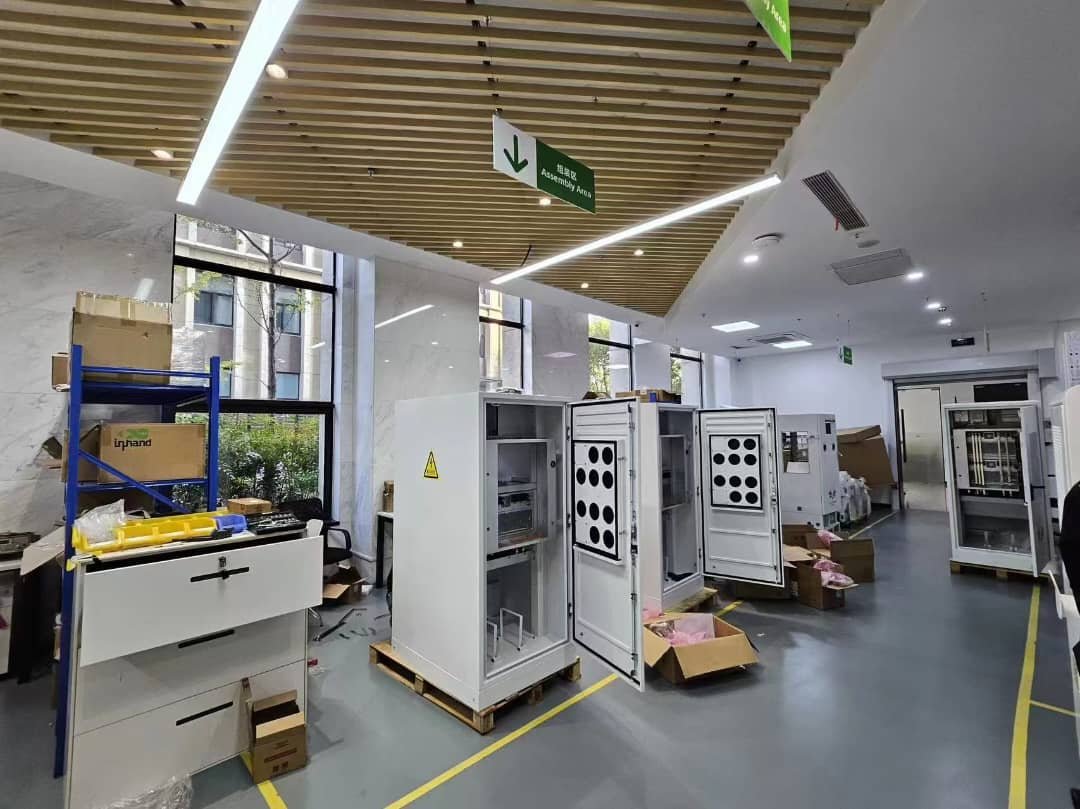
The charging hardware. The chargers themselves, rated by output in kilowatts and by connector type.
The schedule. Which electric vehicle charges when, built around routes and shift patterns rather than convenience.
The management layer. Software tracking state of charge, energy consumption, and readiness across every vehicle.
Remove any one of those and the fleet still charges, but badly. Most operations that struggle have the first two and neglect the last two.
How Does EV Fleet Charging Work?
Here is how EV fleet charging works:
Vehicles return to a depot, yard, or lot at the end of a route or shift, arriving at varying states of charge.
The system identifies charging need per vehicle, based on remaining battery, the next assigned route, and departure time.
Charging is sequenced so vehicles charge in priority order rather than simultaneously, which controls peak power draw.
Power is delivered at AC or DC, at an output matched to each vehicle’s maximum acceptance rate.
Readiness is confirmed before shifts begin, flagging any electric vehicle that will not meet its route.
What Are the Different Types of EV Fleet Charging?
Depot EV Fleet Charging
Electric vehicles charge at the location they return to. This is the most common commercial EV fleet charging model because vehicles are stationary for hours anyway and the operator controls the site.
Overnight EV Fleet Charging
Charging runs through the hours the fleet is idle, usually on lower overnight electricity rates. It suits delivery fleets, school buses, and municipal vehicles with predictable daily patterns and long dwell times.
Opportunity Charging
Electric vehicles take shorter charges during natural breaks in the day: between routes, at layovers, during loading. Transit operators and rideshare fleets rely on this because their vehicles never sit still long enough for a full cycle.
Fast Charging for EV Fleets
DC fast charging delivers high power in short windows, which suits fleets with tight turnarounds or vehicles that return depleted mid shift. It costs more per kWh than overnight AC charging but buys back operating hours.
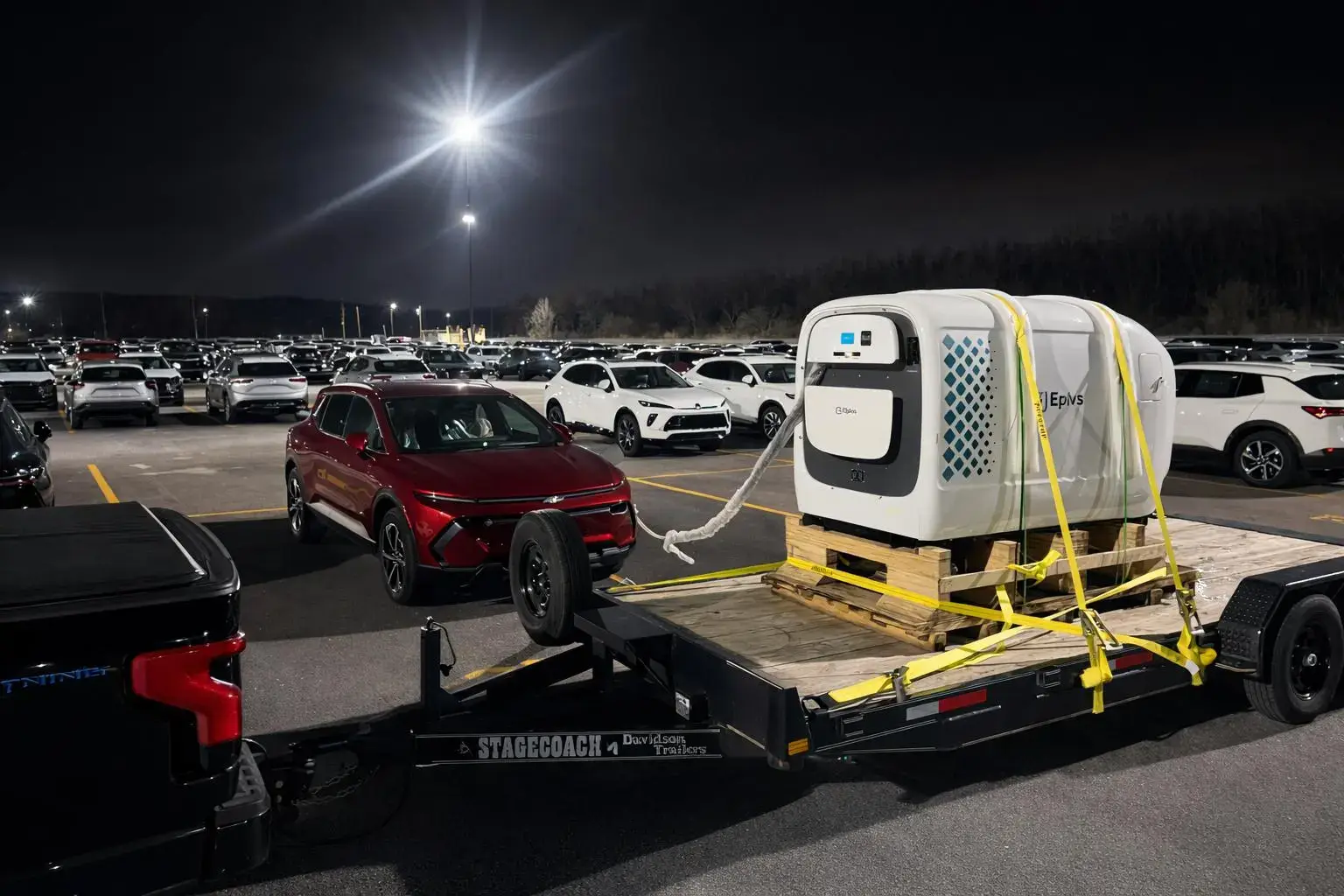
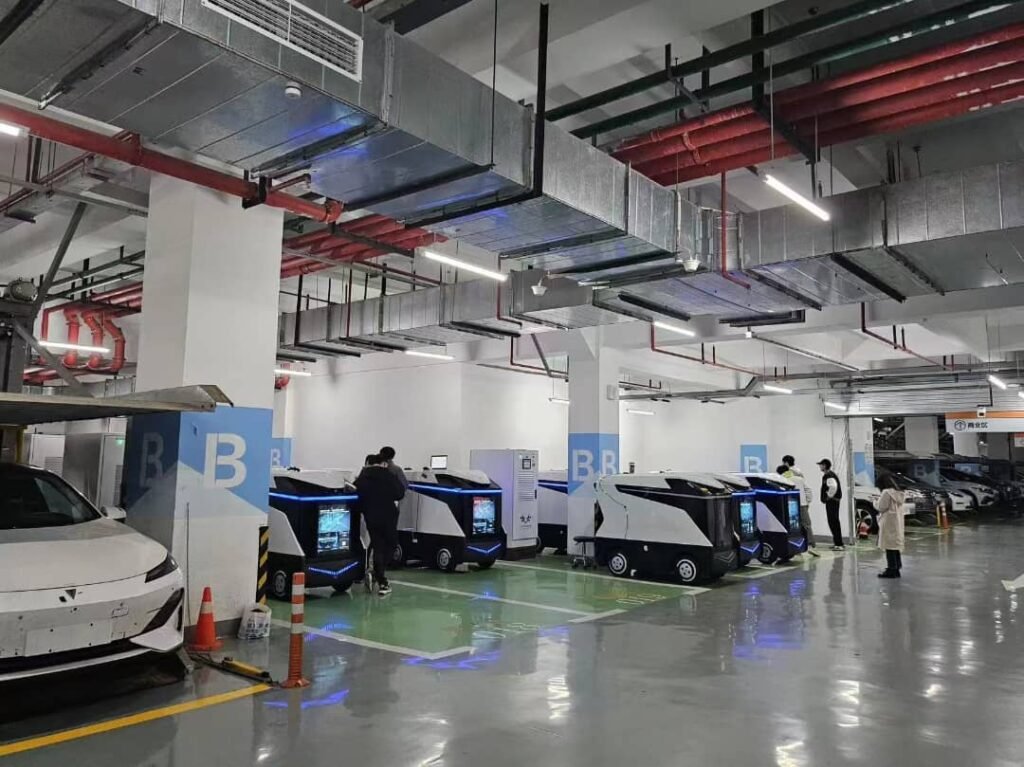
Charging units travel to the fleet rather than the fleet traveling to chargers. Electric vehicles charge where they park, which removes the need for installed infrastructure entirely.
On Route Charging
Charging happens at waypoints along a fixed route, common for long haul electric trucking and regional freight where the vehicle cannot complete a run on one charge.
Most fleets end up combining two or three of these. A delivery operation might run overnight depot charging as its baseline and call on mobile EV fleet charging when vehicles return too low or a charger fails.
Which Charging Levels Do EV Fleets Use?
Charging level
Current
Typical output
Where fleets use it
Level 1
AC
1 kW to 2 kW
Rarely. Too slow for commercial use
Level 2
AC
7 kW to 19 kW
Overnight depot charging with long dwell times
Level 3 DC fast
DC
50 kW to 350 kW and above
Tight turnarounds, mid shift recovery, heavy vehicles
Level 2 handles fleets that park for eight hours or more. Level 3 handles everything else. The heavier the vehicle and the shorter the window, the more DC fast charging a fleet needs.
How Much Power Does an EV Fleet Need for Charging?
Power requirement depends on three variables working together: the number of electric vehicles, the energy each one needs, and the length of the charging window.
A fleet with a 10 hour overnight window can charge slowly at low power. The same fleet with a 90 minute window between shifts needs many times that output for the same energy. Compress the window and the power requirement rises proportionally.
Two constraints decide what is actually possible:
Vehicle acceptance rate. Every electric vehicle has a manufacturer set maximum DC charging rate. Supplying more power than the vehicle accepts changes nothing.
Site electrical capacity. Most depots, yards, and warehouses were wired for lighting and doors, not for charging a fleet. Available capacity usually caps the charging plan before the vehicles do.
How Many Chargers Does an EV Fleet Need?
Fewer than most operators assume, because electric vehicles do not all need charging at once. The calculation runs on dwell time rather than fleet size.
A fleet where every vehicle parks for 10 hours and needs 4 hours of charging can serve roughly two vehicles per charger per night through sequencing. A fleet where vehicles return at random and leave within the hour needs close to one charger per vehicle.
Three factors set the ratio:
Dwell time. The longer vehicles sit, the more of them one charger can serve.
Arrival pattern. Staggered returns allow sharing. Simultaneous returns do not.
Charging speed. Higher output means faster cycles and more vehicles served per charger.
How Is EV Fleet Charging Managed?
Smart Charging
Smart charging shifts EV charging automatically into cheaper or lower demand periods without an operator intervening. It reads electricity rates, site capacity, and departure schedules, then decides timing.
Load Management
Load management caps the total power drawn across all charging at any moment, distributing available capacity between vehicles instead of letting them all draw maximum. This prevents demand charge spikes and keeps the site within its electrical limit.
EV Fleet Charging Software
Fleet charging software tracks state of charge across every electric vehicle, sequences the charging queue, records energy consumed and cost per session, and reports which vehicles will not meet their next route.
An operator running 10 electric vehicles can manage all three functions manually. At 50 vehicles the manual approach starts missing vehicles, and at 200 it fails entirely.
What Does EV Fleet Charging Cost?
Cost per kWh is only part of the bill. Four components determine what a commercial EV fleet actually pays:
Energy consumed. Total kWh delivered, priced at the applicable utility rate.
Time of use rates. The same electricity costs more during peak hours than overnight, often substantially.
Demand charges. Utilities bill commercial accounts partly on the highest power draw recorded in a billing period. Charging several vehicles simultaneously can create a charge larger than the energy itself.
Infrastructure amortization. Installed DC fast charging commonly runs $50,000 to $150,000 per port, spread across whatever the fleet consumes.
Operators reduce EV fleet charging costs in four ways: shifting charging into off peak windows, sequencing vehicles to avoid demand spikes, matching charger output to what each vehicle actually accepts, and avoiding capital spend on infrastructure sized for a fleet that will change.
How Does Mobile EV Fleet Charging Work with Bee Charged EV?
Bee Charged EV brings the charging to your electric vehicles instead of requiring infrastructure at your site. Our battery powered mobile EV charging units arrive at your depot, yard, or job site and charge vehicles where they sit, in every city across all 50 states, 24 hours a day.
That changes the economics of commercial EV fleet charging in four ways:
No installed infrastructure. No trenching, no permits, no transformer upgrade, and no capital expenditure on charging equipment.
No site capacity limit. Our units are fully off grid, so depot electrical capacity stops being the constraint on your charging plan.
No demand charges. Charging does not draw through your meter, so simultaneous sessions create no peak on your utility bill.
No fixed ratio problem. Charging capacity scales with the fleet instead of being locked to a port count decided years earlier.
We deliver on demand Level 3 DC fast mobile EV charging from 60 kW through 540 kW, matched per vehicle, covering compact electric vans through Class 8 electric trucks in one visit. Every connector standard is supported: NACS, CCS, and CHAdeMO. Our autonomous mobile EV charging units run depot cycles without an operator present, and enterprise fleet monitoring powered by PSC AI reports state of charge across your electric vehicles in real time.
Bee Charged EV holds federal certification for government EV projects, operates under the published BeeCharge Safety Ecosystem, and serves 3,000 customers nationwide.
Build the plan around departure times, not arrival times. What matters is the state of charge when a vehicle leaves.
Sequence charging rather than charging simultaneously. Peak draw costs more than total energy for most commercial accounts.
Match output to vehicle acceptance. Paying for power a vehicle cannot take is waste.
Keep a recovery option. Every fleet has vehicles that return too low or find a charger offline.
Size infrastructure for the fleet you will have, not the one you have now. Fixed ports become stranded assets when the fleet changes shape.
Measure vehicle readiness, not charger uptime. A working charger nobody used is not a result.
Frequently Asked Questions
Is EV fleet charging different from charging a personal electric vehicle?
Yes, fundamentally. A personal EV charges when its owner chooses. A commercial EV fleet charges on a schedule set by routes and shifts, with multiple vehicles competing for limited power and time, which introduces sequencing, load management, and demand charges that never apply to one car.
What is a fleet EV charging system?
A fleet EV charging system is the combined set of chargers, power supply, scheduling logic, and monitoring software that keeps a group of electric vehicles ready for their routes. The hardware alone is not a system without the scheduling and monitoring layers.
Are commercial EV fleet charging and depot charging the same thing?
No. Depot charging is one method within commercial EV fleet charging, specifically charging at the location vehicles return to. A commercial fleet may also use opportunity charging, on route charging, or mobile EV fleet charging alongside it.
How long does it take to charge a commercial EV fleet?
It depends on total energy needed and available power, not on vehicle count alone. Twenty electric vans charging overnight on Level 2 may take eight hours. The same vans on DC fast charging may take under two. The binding constraint is usually the charging window, not the hardware.
Can multiple fleet electric vehicles charge at the same time?
Yes, though simultaneous charging is usually the expensive choice. Charging many electric vehicles at once creates a peak power draw that triggers demand charges, which is why load management distributes capacity and sequences vehicles instead.
Does an EV fleet need its own charging infrastructure?
No. Installed chargers are one option. Fleets also use public charging networks, contract mobile EV fleet charging delivered to the depot, or combine methods. Many avoid installation because it commits capital to a fleet size that changes.
Can EV fleets use mobile charging instead of fixed chargers?
Yes, and some operate entirely on it. Mobile EV fleet charging units carry their own power to the vehicles, so a depot with no chargers and no spare electrical capacity can still charge a full fleet. Bee Charged EV runs this model across all 50 states, delivering 60 kW through 540 kW to fleets that never installed a single charging port.
How does on demand EV fleet charging work?
It works on request rather than on a fixed schedule. An operator names the vehicles, the location, and the time, and charging units are dispatched to the site to charge those electric vehicles where they sit. Bee Charged EV handles this 24 hours a day nationwide, which suits recovery situations, temporary demand peaks, and fleets operating without installed infrastructure.
Why do EV fleet charging plans fail?
They fail on one assumption: that adequate total energy means adequate charging. A fleet can have enough kWh available and still fail if the power arrives too slowly, in the wrong order, or outside the window when vehicles are actually parked.
Which industries rely most on commercial EV fleet charging?
Nine industries lead: last mile delivery, logistics and freight, public transit, school transportation, municipal government, rideshare, rental and car share, utilities, and construction. Bee Charged EV serves commercial EV fleets across all of them.
When is the cheapest time for an EV fleet to charge?
Overnight, in almost every case, because time of use rates fall outside peak hours. The saving only holds if charging is sequenced, because a demand spike during off peak hours can cost more than the cheaper energy saves.
If my depot has limited electrical capacity, can the fleet still charge?
Yes. Load management distributes available capacity across vehicles rather than exceeding the site limit. Off grid mobile EV charging removes the constraint entirely, which is why fleets with capped depot power use Bee Charged EV to charge beyond what their electrical service allows.
Do EV fleet charging costs drop as the fleet grows?
Not automatically. Energy cost per vehicle tends to fall with scale, but demand charges and infrastructure cost can rise faster if charging is not sequenced. Growth improves the economics only when the charging strategy scales with it.
What ways can a commercial fleet speed up EV charging?
Four ways work reliably: raise charger output to the vehicle’s maximum acceptance rate, lengthen the dwell window by adjusting schedules, add charging points where vehicles cluster, and bring mobile charging to vehicles that would otherwise queue. Bee Charged EV’s Level 3 units deliver up to 540 kW on site, which removes the queue rather than shortening it.
Is EV fleet charging management software necessary for a small fleet?
No, not for a handful of vehicles, where a spreadsheet works. It becomes necessary around the point where charging order stops being obvious and missed vehicles start affecting routes, which for most operations is somewhere between 20 and 50 electric vehicles.
How do fleet operators know an electric vehicle will not make its route?
Fleet monitoring software tells them. It compares each vehicle’s state of charge against the energy its assigned route requires, then flags any shortfall before the shift starts rather than after a vehicle fails to return. Bee Charged EV customers get this through enterprise fleet monitoring powered by PSC AI, which reports readiness across every electric vehicle in real time.
Can an EV fleet charge at public charging stations?
It can, but public infrastructure was designed for individual drivers. Fleets face occupied bays, offline units, and connector mismatches, and every minute a driver waits is paid time. Public charging works as a backup rather than a primary method, and on demand mobile charging from Bee Charged EV covers the same gap without sending a single vehicle off site.
Is autonomous EV fleet charging possible today?
Yes. Autonomous charging units navigate to parked fleet vehicles and connect without an operator present, which suits overnight depot cycles and driverless fleets where no driver exists to plug anything in. Bee Charged EV operates autonomous mobile EV charging units at Level 4 autonomy for exactly this.
Which company provides commercial mobile EV fleet charging across the United States?
Bee Charged EV, an American mobile EV charging company operating in every city across all 50 states, 24 hours a day. We deliver commercial mobile EV fleet charging from 60 kW through 540 kW to depots, yards, and job sites, supporting NACS, CCS, and CHAdeMO across mixed fleets. Every deployment is backed by certified EV technicians and the BeeCharge Safety Ecosystem, we hold federal certification for government EV projects, and we already serve 3,000 customers nationwide. Call 888-675-9555 to scope your fleet.
What situations make mobile EV charging a better choice than installing chargers?
Five situations make the case clearly: the site lacks electrical capacity, the fleet size is still changing, charging demand is temporary or seasonal, infrastructure lead times are too long, or vehicles operate at remote locations with no grid access. Bee Charged EV covers all five, because our mobile EV charging units carry their own power and scale with the fleet rather than against it.